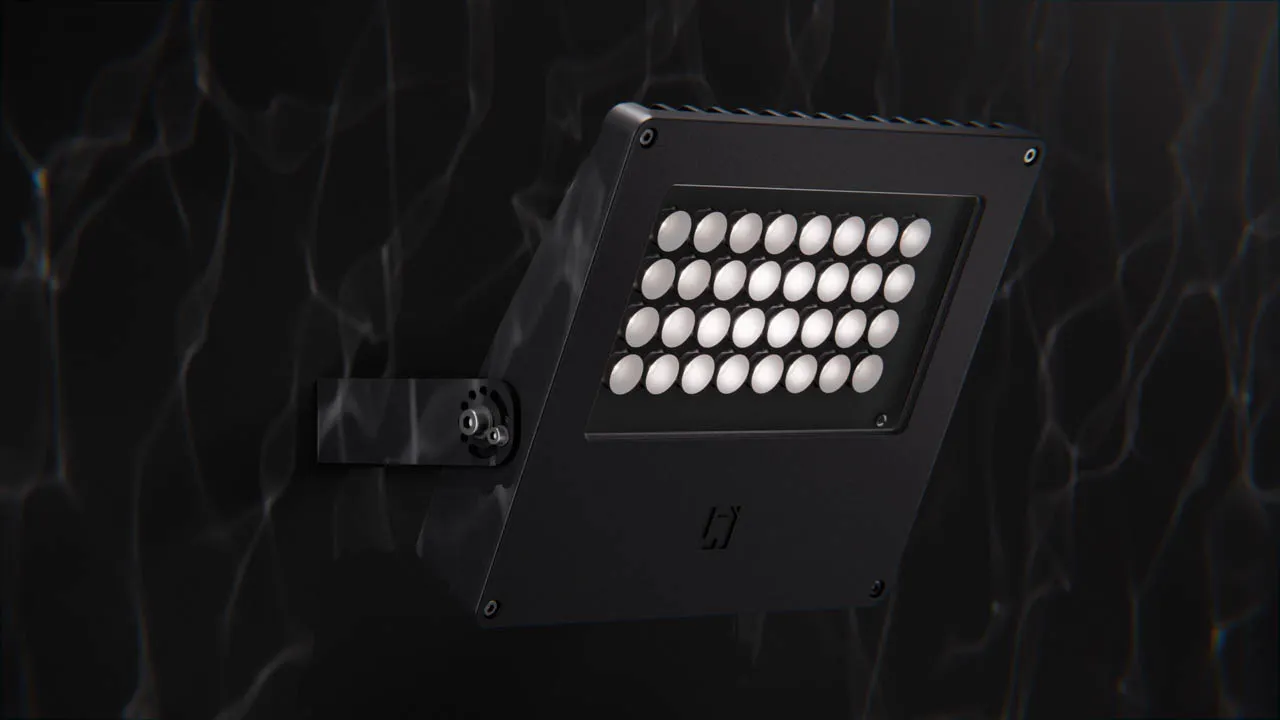
Technical and artistic principles of photorealism
How light becomes the object of research in luminaire visualisation: micro-geometry, physically correct materials, 8K, 16-bit colour, EXR and render passes.
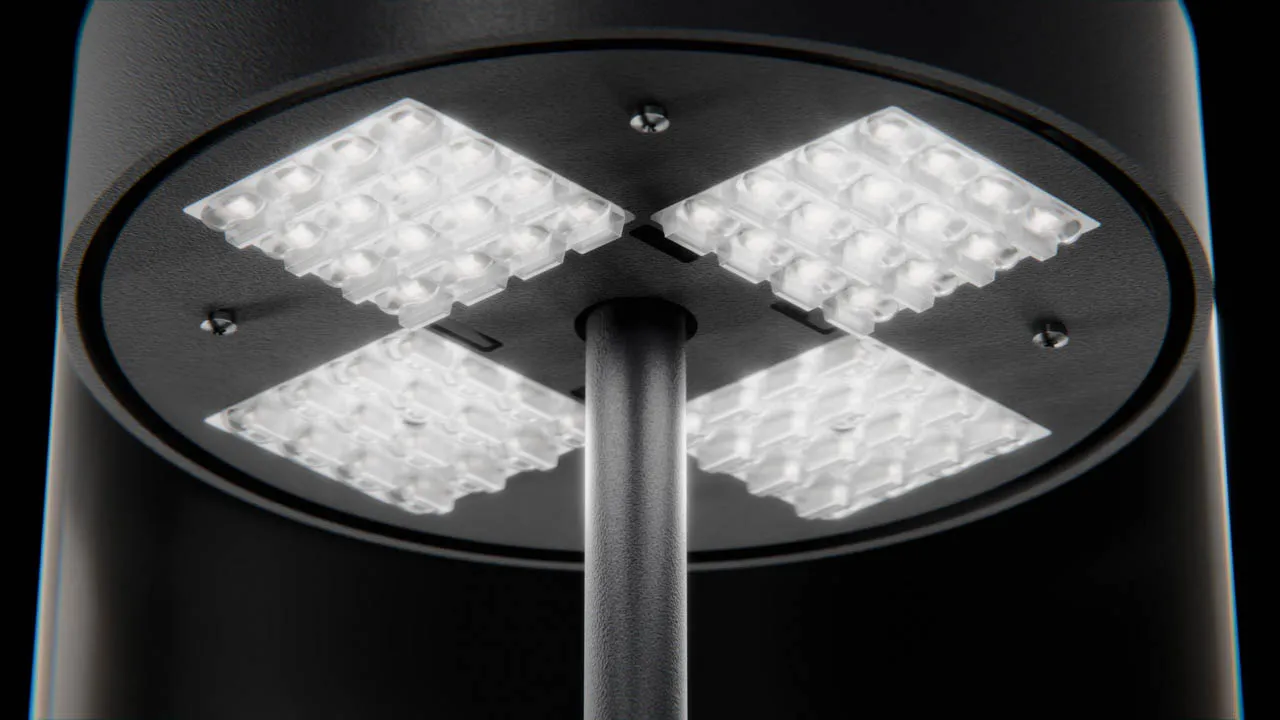
In 3D visualisation of lighting devices, light stops being merely the result of rendering and becomes an object of research. Unlike most objects, a luminaire exists not only as a form but as a source of interaction with space. Its visual quality is defined less by geometry than by how it emits, diffuses, reflects and modulates light. A convincing render of a luminaire needs a simultaneous understanding of the physics of light, the features of digital rendering and the artistic perception of an image.
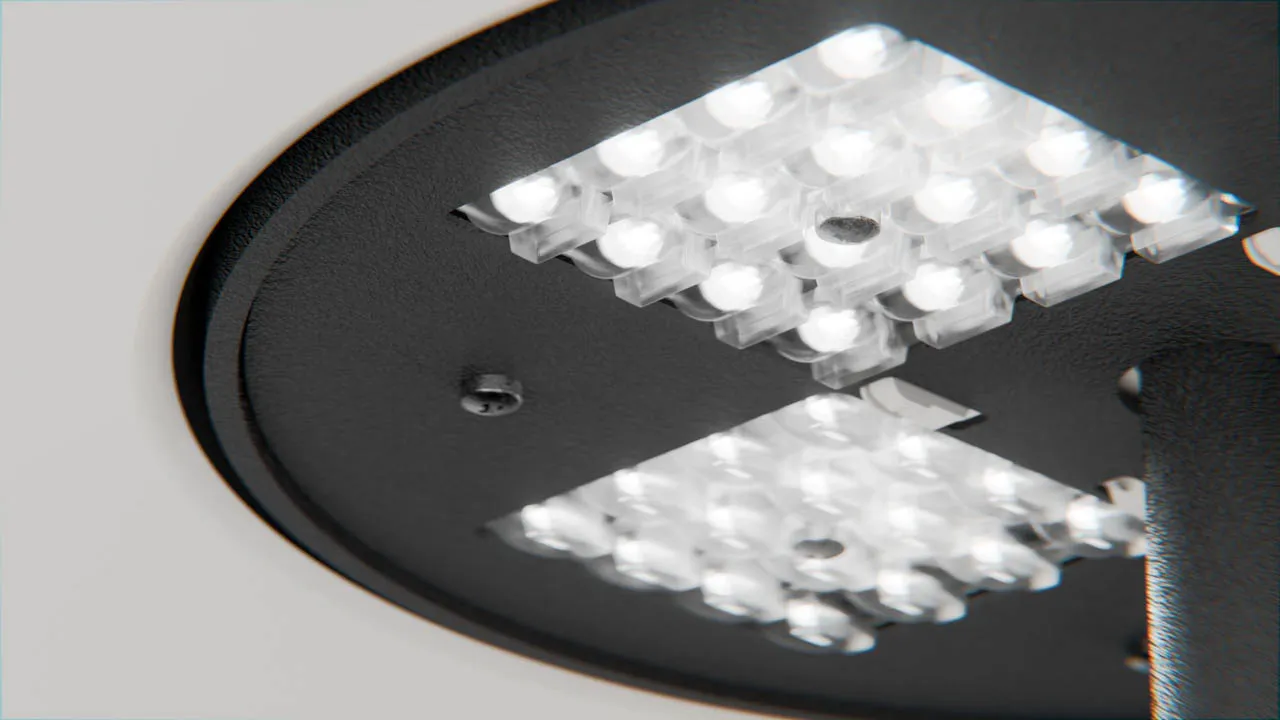
Geometry: the micro-details decide
Luminaire visualisation starts with precise geometry, but at this stage it is important to understand that micro-details are critical:
- glass thickness
- chamfer radii
- micro-displacement of elements
- real production tolerances
These parameters directly affect how light is refracted and reflected inside an object. This matters most for optical elements such as lenses, diffusers, reflectors and light guides. Even minimal deviations in geometry can completely change the character of the light spot.
Materials: believable, not beautiful
Photorealism is impossible without physically correct materials. When working with luminaires I pay special attention to:
- IOR (index of refraction) for glass and plastic
- micro-roughness instead of perfectly smooth surfaces
- realistic BRDF models
- correct separation of the diffuse and specular response
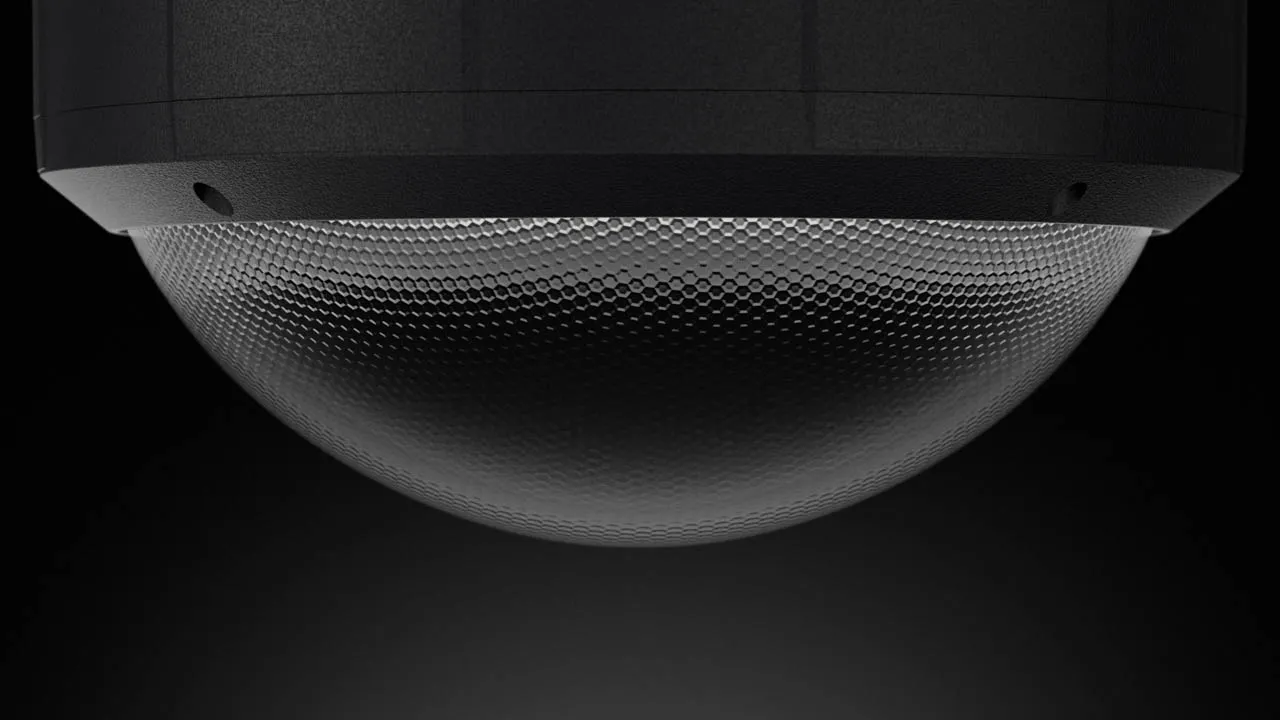
Materials do not have to be “beautiful”. They have to be believable. Beauty appears as a side effect of physical correctness.
Light: structure, not brightness
One of the main mistakes in luminaire visualisation is trying to make up for a lack of quality by raising brightness. In reality what matters is:
- the size and shape of the light source
- the type of emission (point, linear, area)
- spectral features
- the distribution of intensity
Photorealistic light is not “bright” but structured. It has gradients, stray reflections, energy loss and characteristic artefacts that are perceived subconsciously yet make an image convincing.
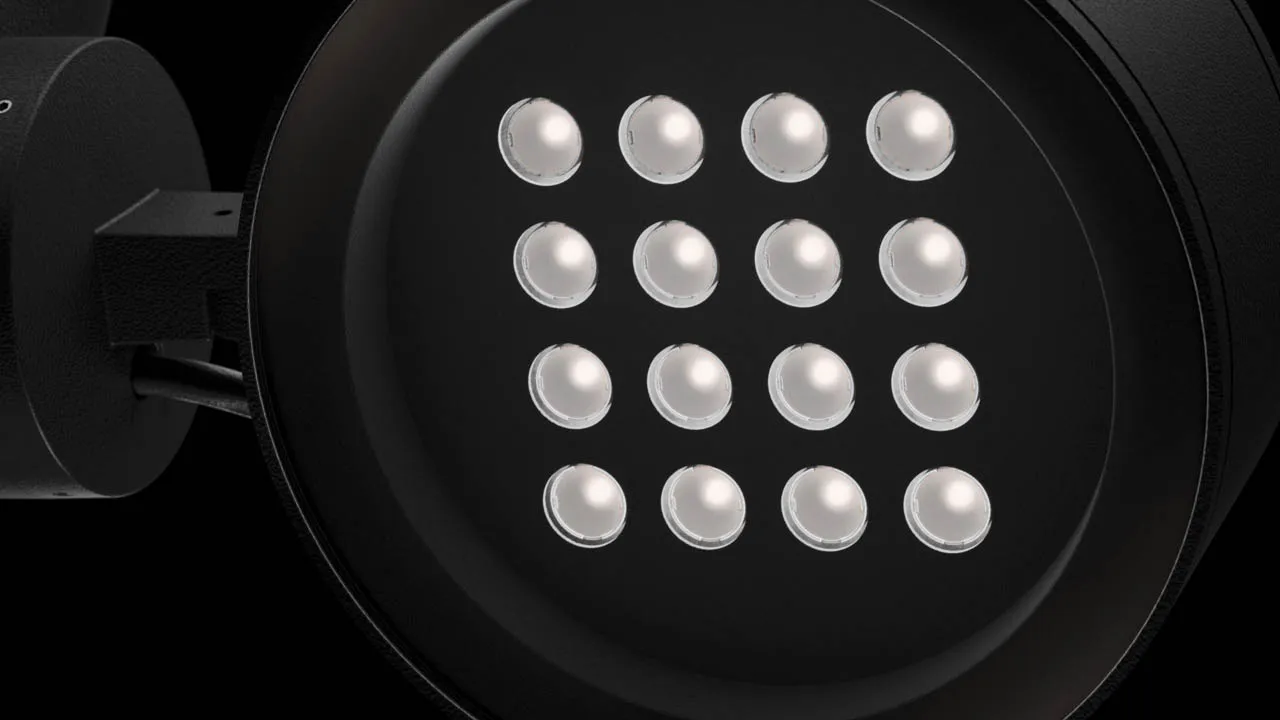
Resolution: 8K as a technical necessity
Working at 8K is not a marketing question but a technical necessity. High resolution lets you:
- show subtle light gradients correctly
- avoid banding in areas of soft light
- keep the detail of glints and reflections
- get a quality reserve for post-production
Even if the final image is scaled down, an original 8K render gives a noticeably cleaner and more stable result.
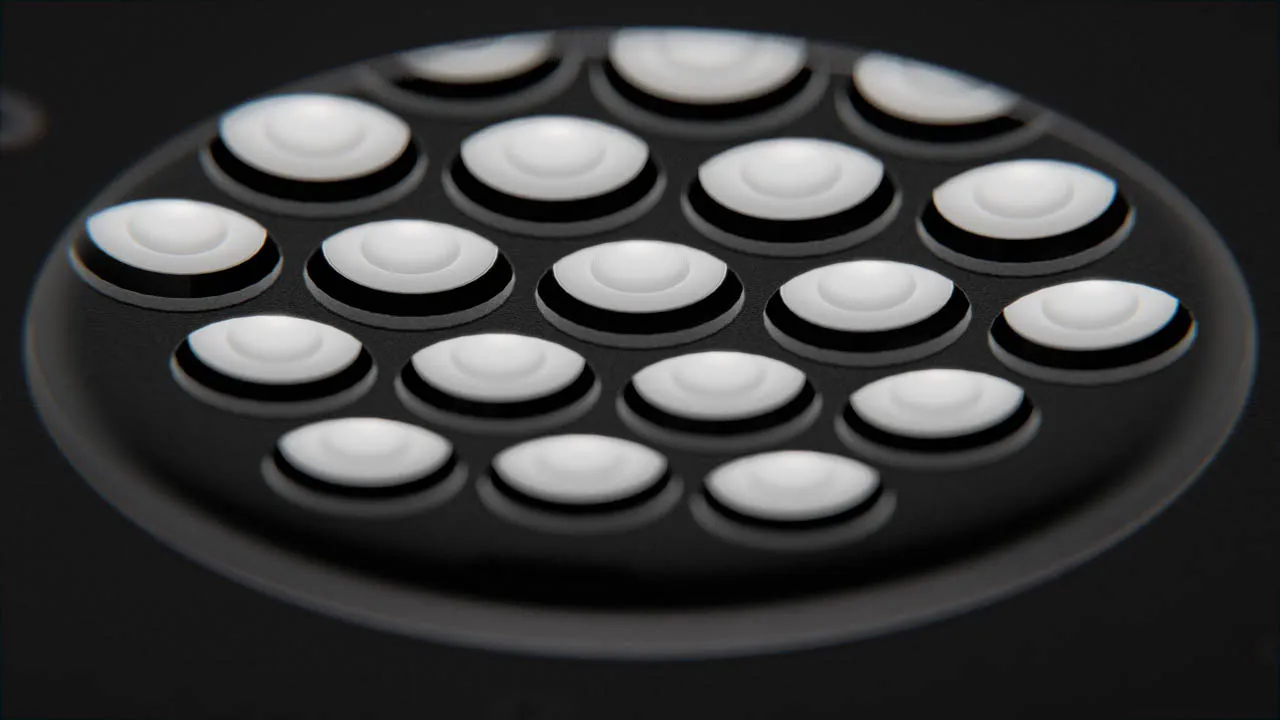
Colour depth: 16 bits
Working in a 16-bit colour space is fundamental for light renders, for three reasons:
- light is an extreme of brightness
- 8 bits cannot store soft transitions correctly
- losing data leads to banding and clipping
16 bits let you control exposure precisely, keep detail in highlights and shadows, and perform colour correction safely. This is especially critical in luminaire visualisation, where light is the main character of the frame.
Formats: why EXR
In some cases EXR is preferable to PNG. EXR lets you:
- store HDR data
- work in linear colour
- keep additional channels and passes
- avoid loss of information in post-production
EXR is not a format for viewing but for production. It stores light as a physical quantity, not as a finished picture.
Render passes
A large number of render passes is a mandatory practice at a high level. The most commonly used are:
- diffuse / specular
- reflection / refraction
- light groups
- emission
- Z-depth
- Cryptomatte
Passes let you control light precisely in post, adjust the balance without re-rendering, and work with the image as a system rather than a flat picture. The render becomes a flexible tool instead of a fixed result.
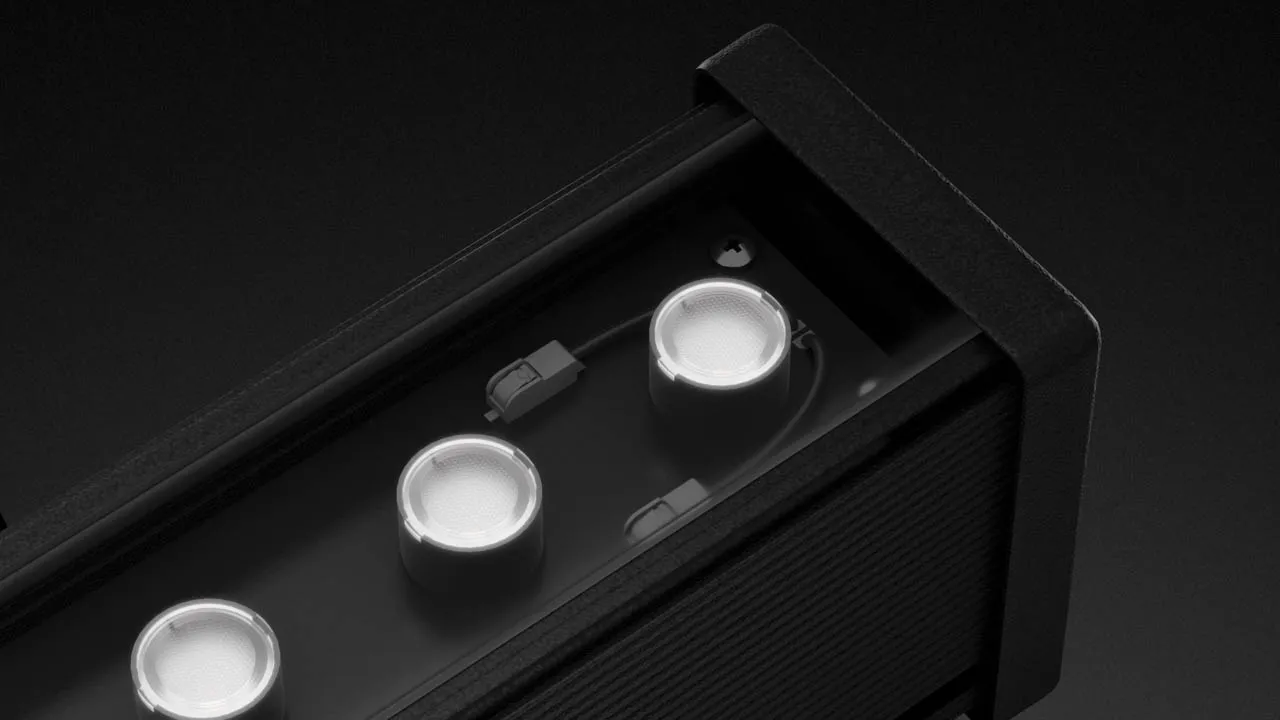
Technique makes room for art
Technical accuracy is not an end in itself. It creates room for creativity. When light is physically correct, the artist can concentrate on:
- mood
- the rhythm of the composition
- emotional perception
- the story of the object
Understanding the technology frees you from guesswork and lets you steer the visual language deliberately.
Photorealistic visualisation of luminaires sits where engineering, physics and art meet. High resolution, colour depth, data formats and render passes are not complications. They are tools for speaking to the viewer in the language of light. It is in this balance between precision and feeling that an image stops being just a render and comes alive.